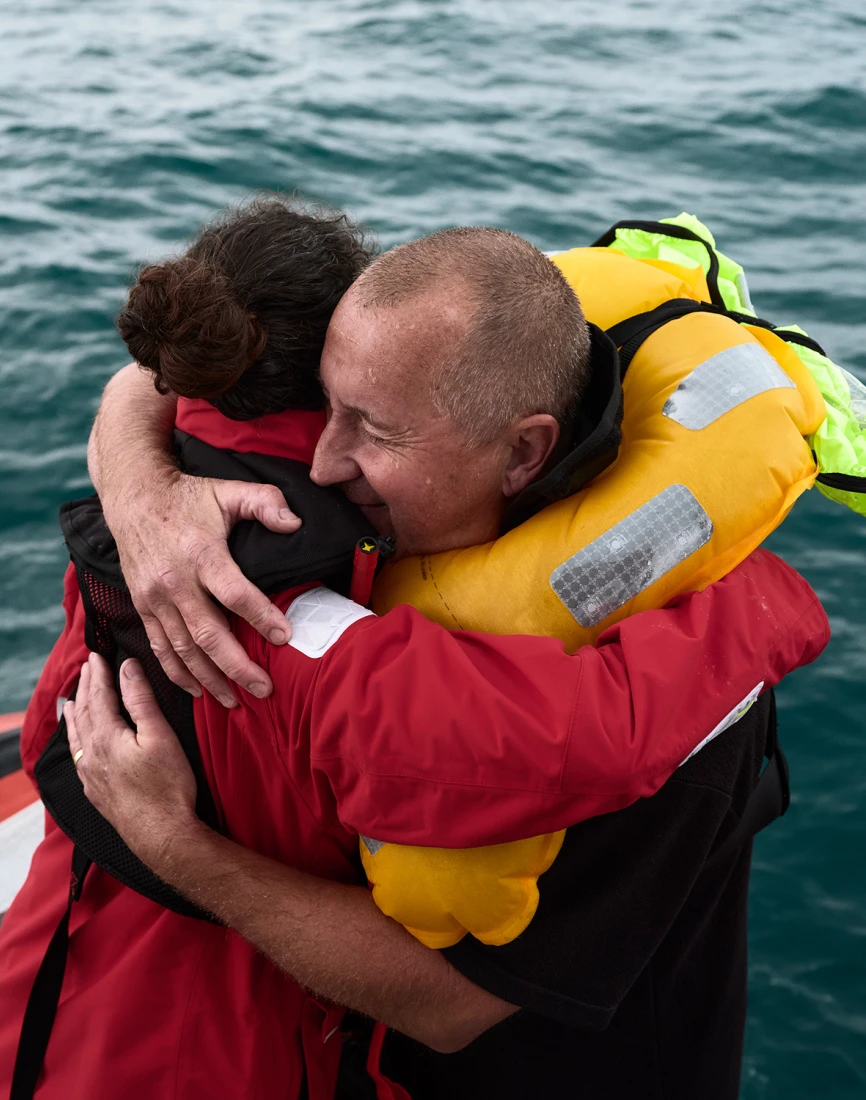
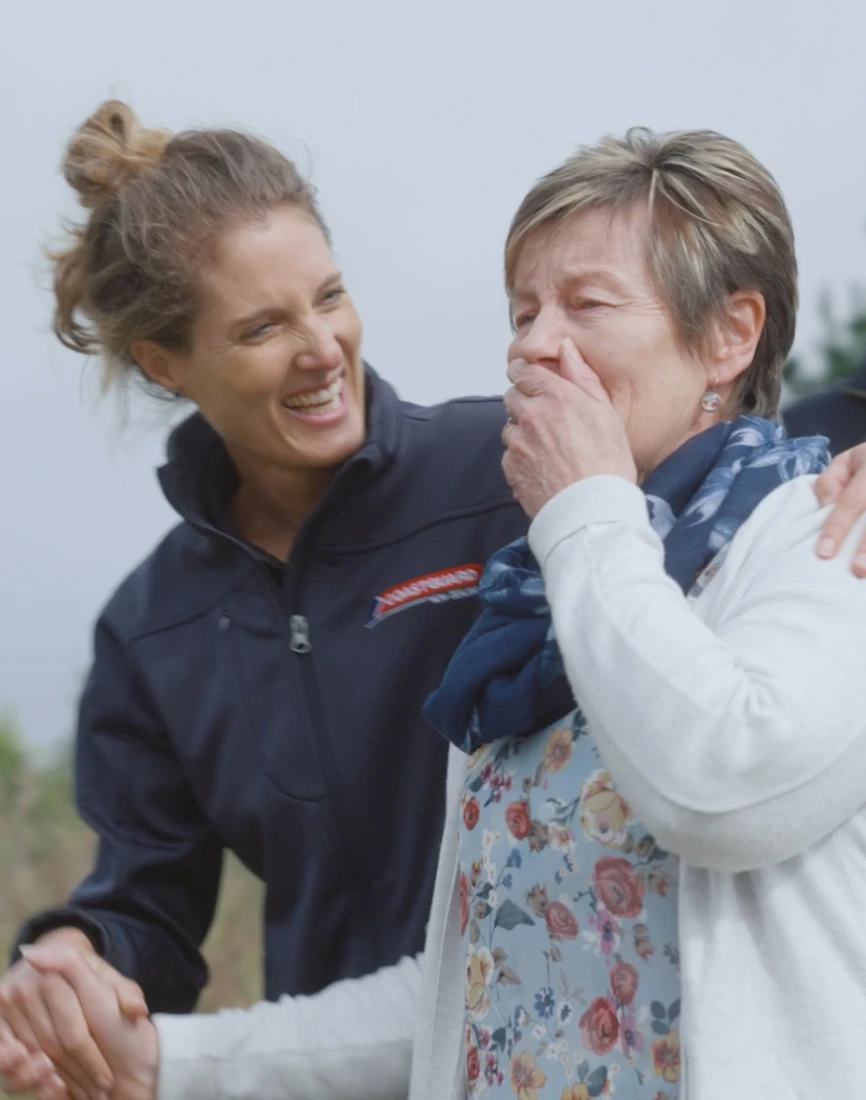
Today's Coastguard SAR pilots understand precisely what they bring to a tasking that no other asset can exactly replicate. As one volunteer pilot puts it: "Because of our speed we're usually first on the scene, providing valuable information to the land and sea-based crews - but there's one other thing we can offer. To the stricken vessel, we are hope."
That word - hope - captures something important about the Air Patrol's 35-year arc. What began as a Cessna 172, a zealous aero club, and a roster of weekend volunteers has become a disciplined, technology-enabled SAR capability. But to understand what the programme is today, you have to go back to where it started.
When the first Coastguard Air Patrol unit took to the skies in 1991, it represented a quiet revolution in how New Zealand searched for missing boaties. For the first time, survivors could be spotted from the air as part of a Coastguard SAR response - a capability that would prove as transformative as radio communications had been a decade earlier. A light aircraft could cover vastly more water in an hour than any surface vessel, dramatically compressing the most critical variable in any search operation - time.
The programme grew quickly. In its heyday, there were 10 Air Patrol units operating around New Zealand, each rooted in the same grassroots energy. When the Northland unit formed, aero clubs from Whangarei, Ruawai, Dargaville, Kaitaia and Kerikeri all put their hands up for the honour. These weren't professional outfits with government budgets. As one of those original volunteer pilots recalled:
"We were passionate flyers who realised our love for getting amongst the clouds could help someone in trouble down on the water."
The Kerikeri club purchased a brand-new Cessna 172 with the registration ZK-CGD (Coastguard) and maintained a roster of qualified volunteer pilots seven days a week. Funding it was no small feat - in 1991, a decent used 172 could cost a club NZD $50,000 to $80,000 - but community fundraising and local generosity made it possible.
As the programme matured, so did its equipment. The Cessna 182 gradually replaced the 172 as the fleet's workhorse, offering greater range, payload, and endurance. The Cessna is able to remain airborne up to four and a half hours at a time, and at a fraction of the cost of a helicopter - a critical distinction for a charity-funded service. Each aircraft was progressively fitted with specialist SAR equipment: automatic direction finding (ADF) gear able to give relative bearing to a distress beacon or mayday call, marine frequency radios in addition to standard aviation sets, and a hand-held iPad used by the in-flight observer for data entry and recording.
Perhaps the biggest game-changer, though, wasn't hardware - it was the formalisation of crew structure and training. Early patrols relied largely on a pilot's general airmanship and sharp eyes. Over time that gave way to a disciplined three-person model. Auckland Air Patrol now operates with a Pilot, an In-Flight Coordinator, and an In-Flight Observer. While the Pilot manages the safe flight of the aircraft, the In-Flight Coordinator is responsible for the search mission - briefing search patterns and tactics and directing the aircraft around the sky. Freeing the pilot to fly while a dedicated coordinator ran the search transformed how systematically large areas could be covered.
Coordination with other assets evolved too. Operations now routinely involve the air patrol airborne alongside the Westpac Rescue Helicopter or the Police Eagle, each platform scouring different parts of the search area - helicopters low and slow along the shoreline, the Cessna higher and further out to sea, pilots in constant communication to avoid collision and ensure thorough coverage. Behind the scenes, TracPlus tracks the live locations of all assets while D4H rescue management software manages ongoing incidents in real-time - seamlessly merging all information, updates, and communications for fast decision-making. The paper logs that once made fast-moving rescues so difficult to coordinate are no more.
The programme has faced headwinds. Resourcing constraints versus rates of operational callouts meant contraction over time, and today only Northland and Auckland remain with dedicated search aircraft. But the reduction has sharpened rather than diminished what remains. The Northland unit now draws volunteer pilots from a variety of aviation backgrounds, reflecting a broader, more professional volunteer culture than the aero club roots of 1991.
Thirty-five years on, the aircraft overhead still means what it always did - someone has found you, and help is on its way.