Coastguard Tautiaki Moana is marking a proud milestone - 50 years as a nationally united maritime search and rescue service. Throughout the year, we’ll be sharing stories from the past five decades and reaching back to our earliest roots more than a century ago. These are the stories that honour the people and moments that have shaped who we are today and guide us to the future.
There was a time, not so long ago, when the pattern was predictable. Word would spread that the fish were biting, the VHF would crackle into life, the men would head for their boats to catch a feed and suddenly the weather would turn. The women would stay home and worry. For many of the wives and daughters of boating communities around New Zealand, that arrangement eventually stopped making sense. If their husbands and fathers got into trouble and were out there in the dark and the swell, why couldn't they be the ones bringing them home?
That quiet refusal to stay onshore changed Coastguard forever.
Women began stepping into roles that had been male by default rather than design. They took to the radios first, becoming the calm voices that distressed skippers heard when conditions were at their worst. They learned the protocols, the frequencies, the language of emergency at sea. Then they got in the boats. And it turned out they were very good at it.
Today, women serve at every level of volunteer Coastguard operations across the country, from crew members learning the ropes on their first callouts to qualified skippers commanding vessels and the men aboard them. The journey from the home to the helm has taken a generation, but it has most certainly arrived.
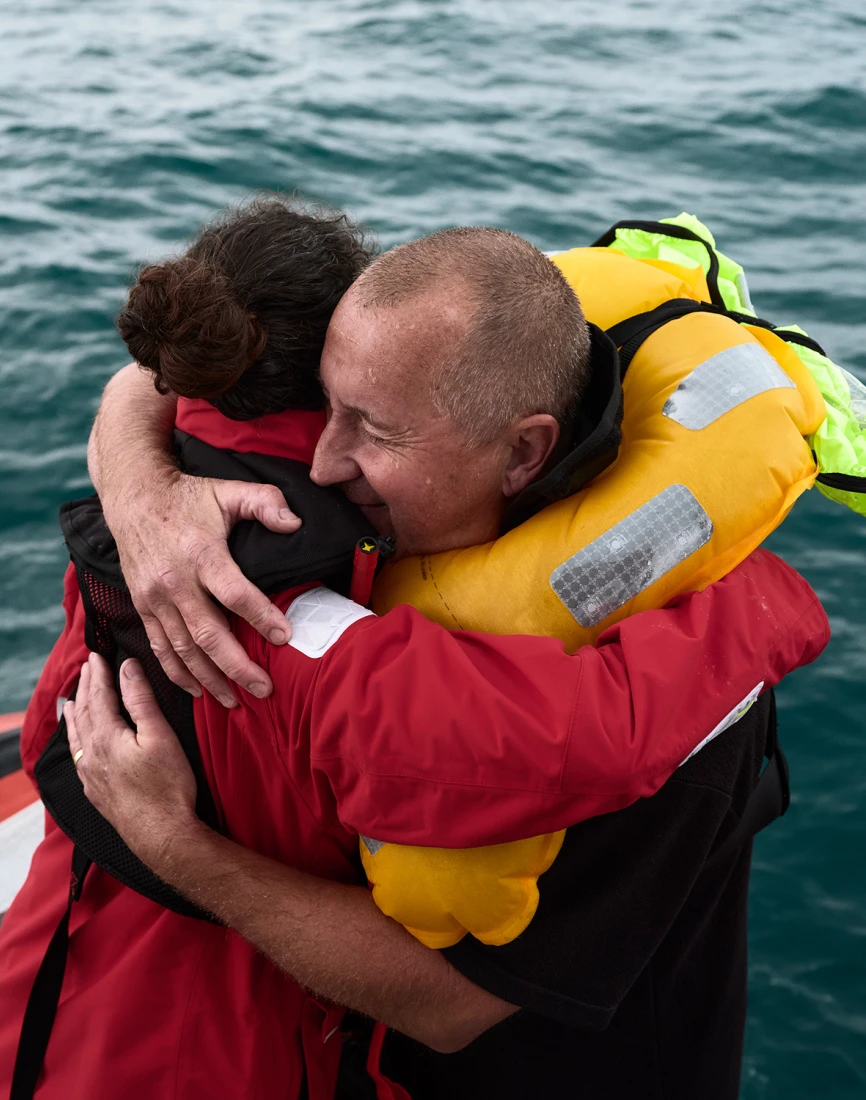
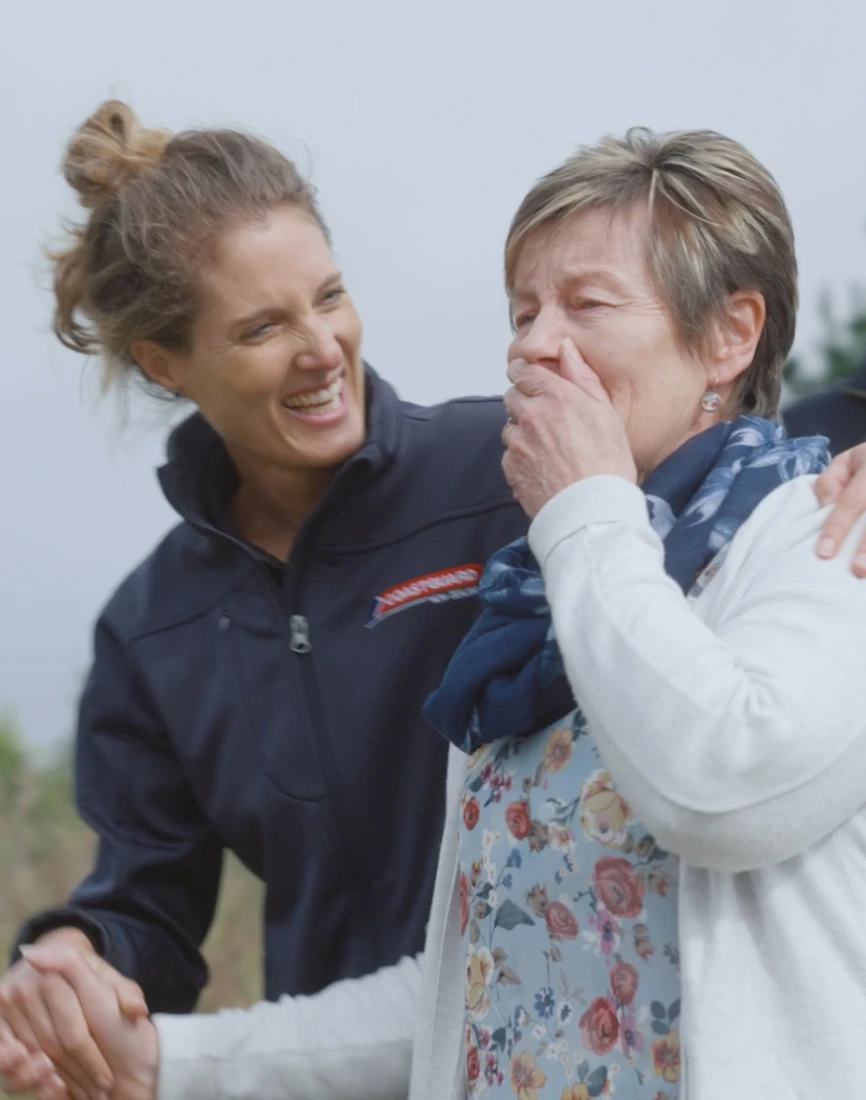
For those women who've been involved a long time, certain moments are worth recalling. "The wife of one guy we rescued rang up to personally to say thank you for saving her husband's life," recalls one Coastguard skipper. "Woman to woman, it was one of those things you just don't forget."
It's a reminder of what the work actually means - not statistics or certifications, but families kept whole.
What's particularly striking now is the age at which young women are entering the service and rising through it. They're not waiting until midlife to find a second calling. They're arriving in their late teens and early twenties, working through the seamanship qualifications with the same competitive focus they bring to university or sport, and achieving the highest endorsements the maritime sector offers.
Nowhere is this more apparent than at Coastguard North Shore, where 23-year-old Leah Sinton holds the position of Senior Operational Crew while still completing her university degree. Her crewmates frequently include men old enough to be her father - experienced volunteers with decades of boating behind them. She takes it in her stride. "It’s like I have these amazing extra uncles," she says, with the easy confidence of someone who has already stopped needing the situation explained to her. Her crewmates welcome her onboard without ceremony. Competence, it turns out, is a straightforward thing to respect.
But beyond the headlines of young women in a traditionally male world, there are subtler dimensions to what female Coastguard volunteers bring to the work. In rescues involving female casualties, women sometimes notice things that others might miss.
"When women are saving women, there are times we know what to do faster than the men," explains one female volunteer.
"We see the warning signs perhaps a little earlier - noticing the small changes in behaviour that indicate an issue with someone being rescued, when her male partner is fine. It's not much, but in those circumstances every minute counts. The physiology is different. Women deal with stress differently."
It's an observation grounded not in theory but in experience - the kind of pattern recognition that builds over repeated callouts. Hypothermia, shock, and anxiety can present differently across genders. A woman in distress may mask symptoms that a female crew member, drawing on something close to instinct, recognises before the clinical picture becomes obvious. In a rescue environment, that margin matters.
None of this is to suggest that gender defines capability on the water. Leah is clear on that too. "Out there it doesn't matter what gender you are. It's the professionalism of the skipper and crew that matters."
The water applies equal pressure to everyone. What gets people home is preparation, training, and the composure to act correctly when everything is going wrong.
What women in Coastguard have demonstrated, steadily and without much fanfare, is that those qualities were never the exclusive property of the men who once held the helm. They just needed the chance to prove it.