Coastguard Tautiaki Moana is marking a proud milestone - 50 years as a nationally united maritime search and rescue service. Throughout the year, we’ll be sharing stories from the past five decades and reaching back to our earliest roots more than a century ago. These are the stories that honour the people and moments that have shaped who we are today and guide us to the future.
As we celebrate 50 years of a united Coastguard, it’s impossible not to look further back - to the deep history that stretches more than a century behind us. The Coastguard we know today was not created in a single moment. It was built on countless local efforts - each community, each volunteer, each rescue laid another stone in the foundation of what would eventually become a national service.
Coastguard wasn’t always the coordinated, nationwide search and rescue organisation we recognise now
It began with people.
Generations of them.
And with a simple, powerful instinct: to help others. Neighbours helping neighbours, boaties helping boaties, volunteers stepping forward simply because someone needed them.
It was that deep community spirit that united us together and became a shared national mission that still guides us today.
The early days
In the early days, there was no formal rescue service. If you got into trouble on the water, your best hope was the people who lived nearby - the fishermen, the harbour workers, the boaties who knew the tides and the reefs like the back of their hand.
These early rescues were raw and risky. Volunteers launched in whatever boats they had - often heavy wooden dinghies or small fishing vessels - rowing into rough seas with no radios, no training, and no guarantee they’d return.
But they went anyway. Because that’s what you did when someone needed help.
Over time, communities started forming dedicated rescue groups - small, determined teams who made it their mission to look after their patch of water.
The oldest groups take shape
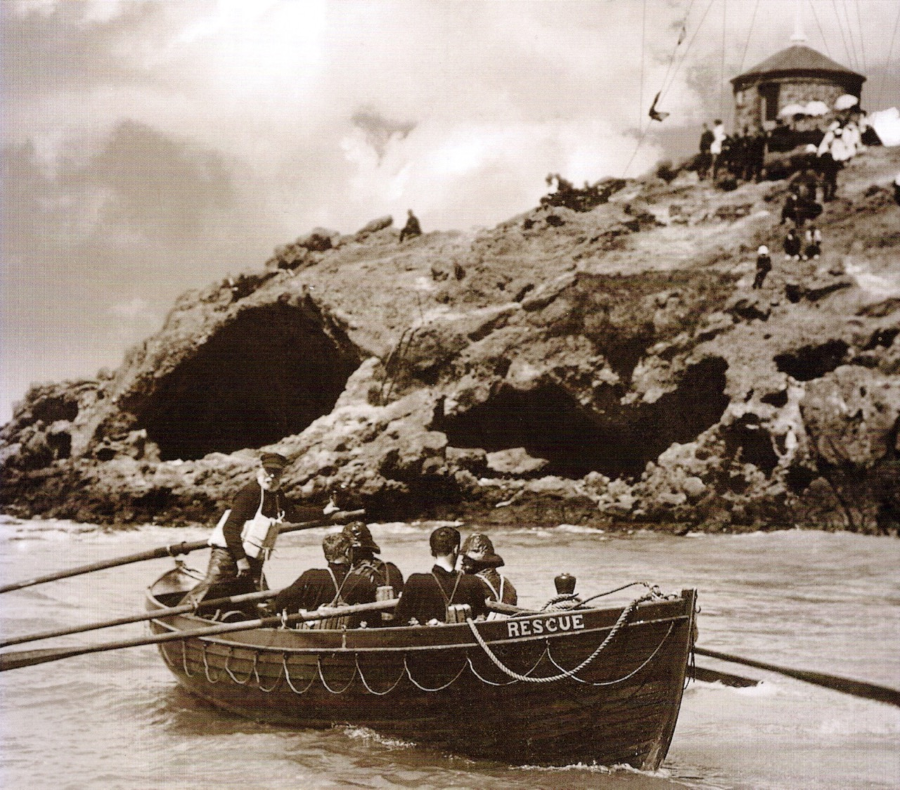
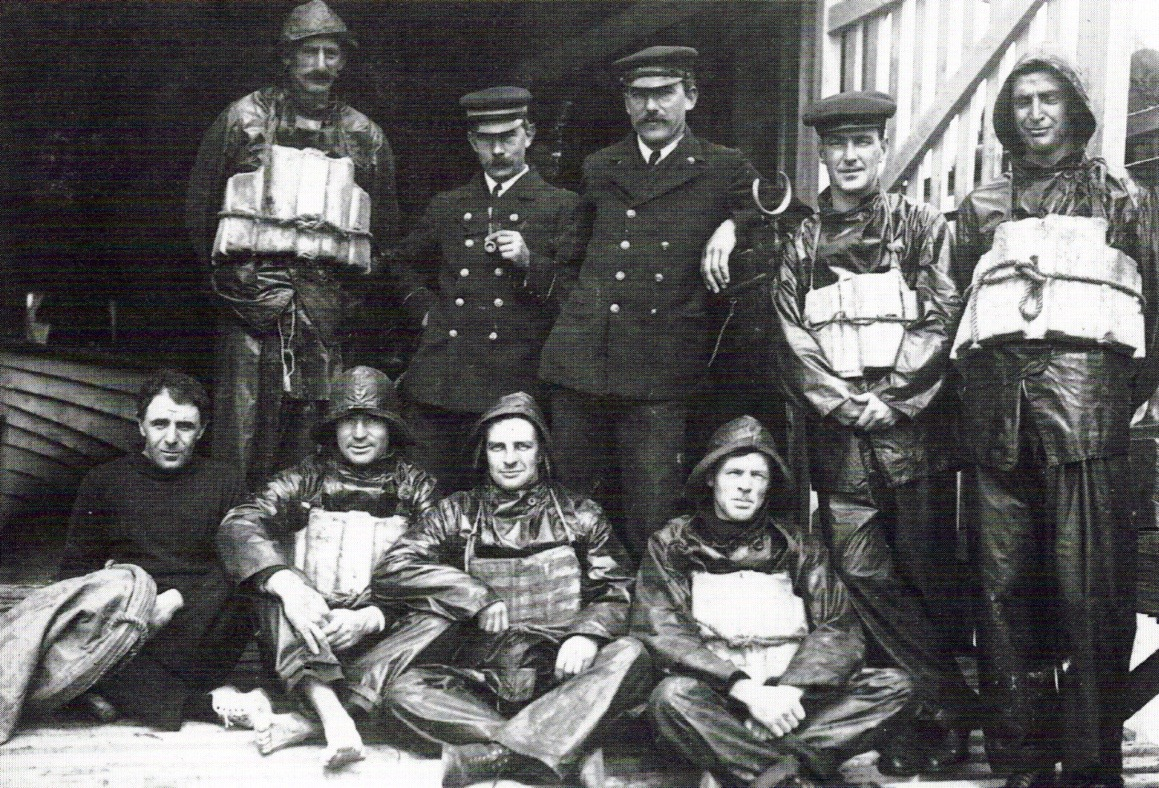
One of the earliest and most enduring examples is the Sumner Lifeboat Institution in Christchurch - now Coastguard Sumner. Founded in 1898, it grew out of a community that understood the dangers of the Sumner Bar and the need for a dedicated rescue presence. Their early crews launched wooden rowing boats through breaking waves, relying on strength, timing, and sheer grit.
“They must have been made of very stern stuff,” says Sumner President Blair Quane. “Especially if they had to row over the bar. It would have been tough work. I have no idea how they would row out to someone like that.”
When the sirens sounded, volunteers dropped everything - arriving straight from the building site, the local butchers, or wherever they worked nearby. In those early days, the men wore old oil‑skin jackets and large padded flotation devices, their gear as rugged and improvised as the rescues themselves.
The reality of the early days
The early decades of volunteer rescue work were defined by simplicity and difficulty. Boats were basic, often repurposed fishing vessels or heavy wooden boats never designed for rescue work.
Communication was unreliable, and in many cases, it didn’t exist at all. A rescue might be triggered by a lookout on the beach, a message relayed through a local shop, or a loud siren to wake the local neighbourhood.
Navigation depended on instinct, experience, and deep local knowledge, because charts and instruments could only tell part of the story. And when a crew launched, they knew that if something went wrong, there was rarely anyone else coming.
Everything depended on the people on board.
This wasn’t a service handed down from above. It was built - piece by piece - by those who showed up.
“It was a Kiwi number 8 wire mentality. They made do,” said Quane.
More groups started to form
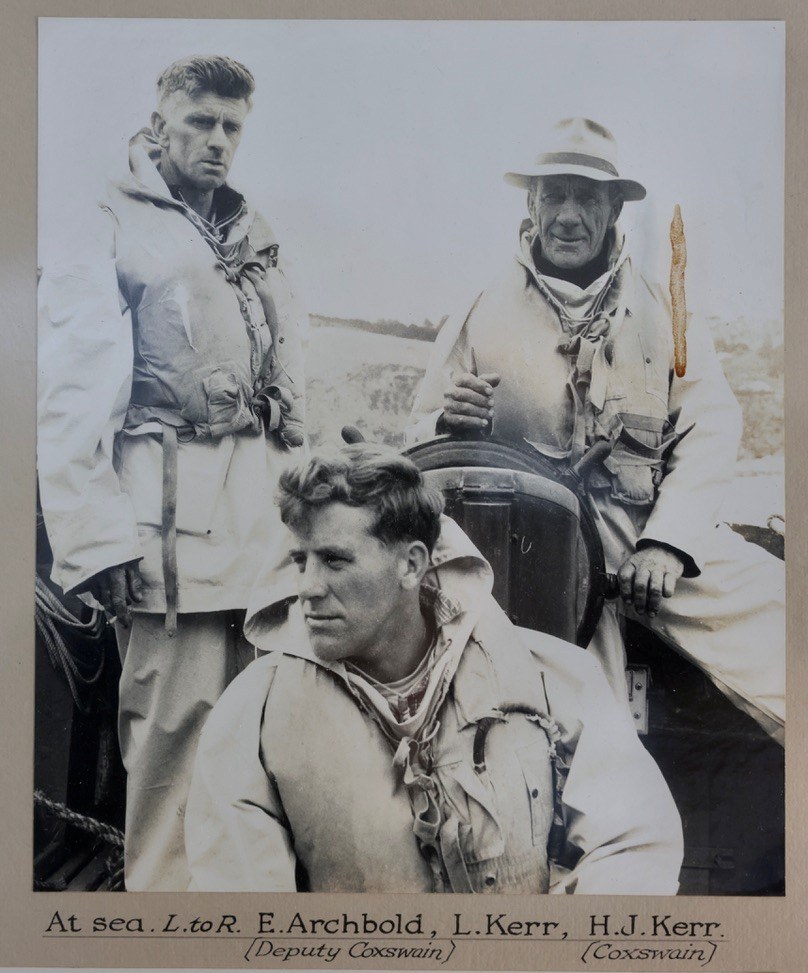
As the years went on, groups were being formed across the country - each shaped by the demands of their local waters and the people who knew them best.
Some groups formed after tragedies. Others formed after too many close calls. All formed because someone recognised a need - and stepped up.
These groups weren’t following a national model.
They were creating it.
One thing that connected everyone
As more groups formed around the country, each developed its own identity - shaped by its people, its environment, and its local waters.
But they all shared the same mindset: If someone needed help, you went.
That spirit - courageous, practical, community‑driven - is the thread that connects 125 years of volunteer rescue in Aotearoa. It’s what carried those early crews through the surf in wooden boats, what united nine independent groups in 1976 to form the New Zealand Coastguard Federation, and what continues to drive more than 2,000 volunteers today.
The Coastguard we know now didn’t appear overnight. It grew from the determination of everyday people who refused to look the other way.
They didn’t just respond to emergencies. They built a legacy.